Symbols: The Secret Language That Speaks to a Woman’s Heart
What Are Symbols and What Do They Represent?
We live in a world full of signs. From ancient cave paintings to modern emojis, humanity has always strived to express the invisible through the visible. A symbol is not just an abstract sign; it is a form of communication with the deeper layers of the psyche. It speaks directly to intuition, bypassing rational thinking.
Swiss psychoanalyst Carl Gustav Jung considered symbols to be the language of the unconscious. In his book "Man and His Symbols," he explained that a symbol can simultaneously express and conceal meaning, being both personal and universal. This is why symbols are so closely tied to the inner world of women—because female thinking is naturally intuitive, imaginative, and sensitive.
Symbols are not only cultural heritage but also psychological tools. For example, the circle in many cultures symbolizes the feminine principle, motherhood, and completeness. This image often appears in women's dreams, reflecting a need for wholeness and emotional security.
This is how different scholars define a symbol:
| Author | Definition of Symbol |
|---|---|
| Carl Jung | "A symbol is the expression of unconscious content that is not yet fully conscious." |
| Mircea Eliade | "Symbols are keys to the sacred; they provide access to humanity's mythological experience." |
| Gilbert Durand | "A symbol is a living connection between consciousness and archetype." |
Women are intuitively drawn to symbols. This is manifested in their choice of jewelry, preference for specific artistic images, love of patterns, and the tendency to assign special meaning to objects. For instance, a heart-shaped pendant or a ring with a moonstone can be perceived as more than just an accessory—it becomes a talisman, a carrier of meaning and emotion.
Symbols possess both universality and intimacy. They can unite entire communities (such as the feminist symbol of Venus) or be deeply personal—a sign understood only by the woman herself. This is their power and magic.
Thus, a symbol is a bridge between the inner and outer, between feelings and images, between individual and collective experience. A woman on the path of self-awareness inevitably encounters the language of symbols—whether in meditation, in dreams, or in everyday decisions. And the more attentively she listens to this language, the deeper her connection with herself becomes.
Symbols in Everyday Life: The Sign That Is Always Near
We often don’t realize how deeply symbols permeate our reality. Their language seems like background noise—until we begin to see something greater behind simple images. A sun on a pendant, a round brooch, a bird on a notebook—each of these elements hides potential meaning. Women feel this especially keenly: they often choose items intuitively, guided not by logic but by an "inner knowing."
According to research in visual psychology (Arnheim, R. "Visual Thinking", 1969), symbolic images activate the right hemisphere of the brain, which is responsible for intuition, associative thinking, and emotional perception. No wonder we’re drawn to familiar shapes: the moon, heart, wings, flowers—these aren’t just decorations; they’re elements of our inner landscape.
Women’s everyday lives are filled with symbols more often than it might seem at first glance. Here are a few areas where symbolism is especially vivid:
- Clothing and accessories: patterns, embroidery, shapes of jewelry. For example, choosing feather-shaped earrings may reflect a desire for freedom.
- Interior design: ornaments on textiles, furniture shapes, mirrors (a symbol of self-discovery and feminine mystery), candles (fire as spiritual energy).
- Cosmetics: lipstick and eyeshadow colors aren’t just trends, but ways of expressing inner states. Red—strength, pink—tenderness, dark—protection.
- Tattoos and drawings: women often choose personal symbols: lotus, butterfly, moon, tree—this is not a random choice, but part of an inner myth.
- Dreams and journals: even a fleeting image in a dream is a symbol, as Marie-Louise von Franz (a student of Jung) writes in her book "Dreams and Visions."
Example: a woman chooses a key-shaped pendant. Consciously, she may think it’s simply beautiful, but the symbolism of the key is about opening, access, permission. Perhaps she’s undergoing an important transition—even on a subconscious level.
Symbols often "come" to us. We begin seeing the same shape again and again—in the streets, in books, online. Psychology calls this the “effect of synchronicity” (Jung). It’s as if the world speaks to us in its own language—and that language is symbols.
It’s important to realize: everyday things are not just "trivialities," but manifestations of inner dialogue. A conscious approach to the symbols we choose can change our perspective on the mundane. You can start simply—by asking yourself: what symbols do I wear? What’s depicted on my journal, my bedding, my mug, my notebook?
Leading French philosopher Simone Weil wrote that true beauty is that which carries meaning. Symbols in everyday life are exactly about that: they unite beauty and significance. And if we take a closer look, each object begins to reveal its story.
Female Archetypes and Symbols: From Goddesses to Fairy Tale Heroines
The symbolic world of women is rich and multilayered. It is rooted in ancient myths, images of goddesses, rituals, folklore, and the psychological archetypes described by Jung and his followers. Through these symbols, a woman’s inner states, life phases, and spiritual quests are revealed.
Carl Jung introduced the concept of archetypes—universal patterns of behavior and imagery present in the collective unconscious. Women encounter them at every stage of life, and each archetype has its own symbols and forms. The book “Archetypes and the Collective Unconscious” (1954) describes them as dynamic forces activated at certain moments in life.
Jungian analyst Clarissa Pinkola Estés, in her famous work “Women Who Run With the Wolves,” explores the archetype of the Wild Woman—a bearer of intuition, inner wisdom, and strength. This archetype is awakened through symbols of the forest, the she-wolf, bones, and fire—everything endowed with primal power and freedom.
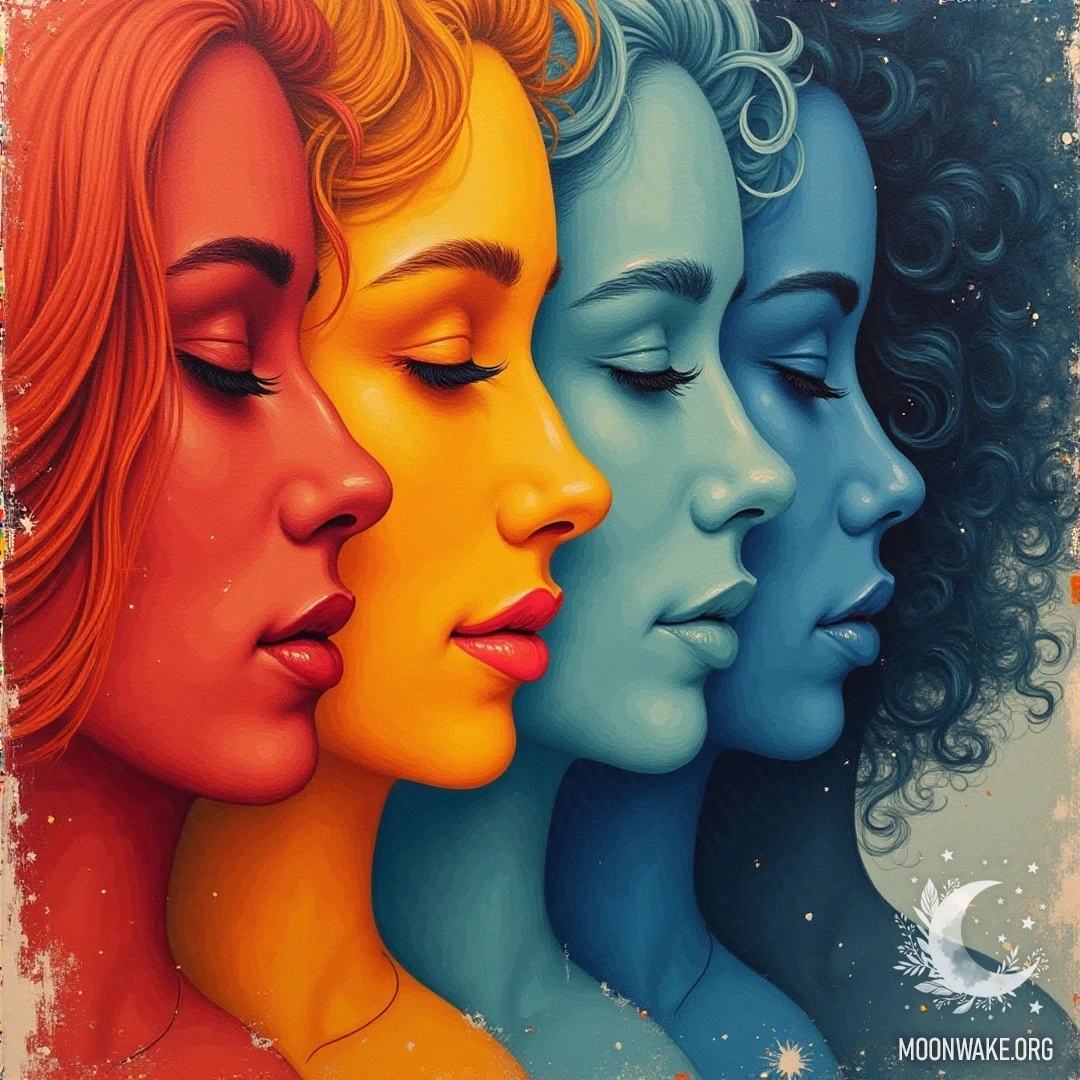
Below is a table of the main female archetypes and their corresponding symbols:
| Archetype | Description | Symbols |
|---|---|---|
| Mother | Nurturing, fertility, protection | Circle, breast, tree, water, fruit |
| Lover | Sensuality, creativity, passion | Rose, blood, moon, mirror, snake |
| Amazon | Strength, freedom, courage | Sword, bow, helmet, fire, horse |
| Wise Woman | Wisdom, intuition, guidance | Owl, book, key, cave |
| Virgin (not in the sexual sense) | Wholeness, independence, inner strength | Lily, mirror, rainbow, spring |
In different cultures, symbols associated with female archetypes appear with striking regularity. The goddess Aphrodite (Lover), Artemis (Amazon), Demeter (Mother), and Hecate (Wise Woman) are not just mythological figures, but archetypal energies that live within every woman.
Russian fairy tales also clearly reflect archetypal structure. Vasilisa the Wise symbolizes intuitive wisdom and independence, Baba Yaga—the archetype of the witch and threshold guardian (between worlds), and the Frog Princess—an image of hidden inner power beneath a mundane exterior.
Women intuitively feel drawn to certain archetypes. Different roles become active at different life stages. For example:
- In youth – the archetype of the Virgin and the Lover
- During motherhood – the archetype of the Mother
- In maturity – the archetype of the Wise Woman or Healer
Recognizing one’s current archetype helps a woman better understand herself, her desires, and inner purpose. The choice of symbols—clothing, jewelry, books, dreams—becomes meaningful. It is not fashion, but the language of the soul.
Thus, archetypes and their symbols are a map of the female soul. And the deeper a woman dives into this language, the more clearly she hears her inner voice.
Color as a Symbol: The Secret Language of Shades
Colors affect us faster than words. They speak to us through sensations, emotions, and associations. Every shade carries ancient archetypes, cultural codes, and psychological symbols. Color in a woman’s life is not only about choosing clothes or interior design—it is a way to express inner states and harmonize herself and the space around her.
According to Carl Gustav Jung's research, color can directly influence the subconscious by activating archetypes. In “Man and His Symbols”, he describes color as “a conduit between the outer and inner worlds.”
Symbolic Meaning of Colors
| Color | Psychological and Cultural Meaning | Examples |
|---|---|---|
| Red | Life, passion, power, aggression, menstrual cycle | Priestess robes, red threads, red lips |
| Blue | Intuition, spirituality, protection, water | Madonna’s clothing, evil eye talismans |
| White | Purity, beginning, transition, death | Wedding dresses, burial shrouds, white priestesses |
| Green | Growth, healing, nature, heart | Spring rituals, herbal amulets |
| Black | Mystery, completion, power, transformation | Witch robes, magical rituals |
| Yellow | Clarity, energy, sun, joy | Sun talismans, mandalas |
| Purple | Mysticism, intuition, transitions, sacred | Clergy robes, ritual candles |
Colors and Female Archetypes
In the works of Clarissa Pinkola Estés, especially “Women Who Run with the Wolves”, color becomes a tool to reveal female archetypes:
- Red — Wild Woman energy, primal femininity.
- White — Healer archetype, feminine wisdom and light.
- Black — Shadow, Witch, power of transformation and intuition.
- Purple — Oracle Woman, prophetess, spiritual maturity.
Color as a Tool for Practice
A woman can consciously use color as a tool for self-tuning:
- Clothing by mood: choosing colors to match internal state or desired effect.
- Color therapy: restoring balance through visual perception and color breathing (by Walter Lübeck).
- Interior color: creating ritual spaces (e.g., altar) with dominant color to enhance energy.
In the East, color contemplation was practiced in Zen gardens and mandala observation, where each shade had strict meaning. In India, colors are linked with chakras, and in yoga, visualization of certain colors enhances the activity of energy centers:
| Chakra | Color | Symbolism |
|---|---|---|
| Muladhara | Red | Safety, body, grounding |
| Svadhisthana | Orange | Femininity, desires, creativity |
| Manipura | Yellow | Power, identity, will |
| Anahata | Green | Love, acceptance, heart |
| Vishuddha | Blue | Voice, expression, truth |
| Ajna | Indigo | Intuition, wisdom, vision |
| Sahasrara | Purple/White | Divine connection, enlightenment |
Color is a language a woman can study like an ancient alphabet, to hear herself better and be heard by the world. Using color symbolism in everyday life is a way to reclaim ancient intuitive knowledge and magic.
Plants and Flowers as Symbols of Female Nature
Since ancient times, plants and flowers have been associated with feminine qualities: tenderness, fertility, and vitality. They have not only been sources of beauty and inspiration but also powerful symbols reflecting the cycles of life, transitions from youth to maturity, and connection to the earth and nature.
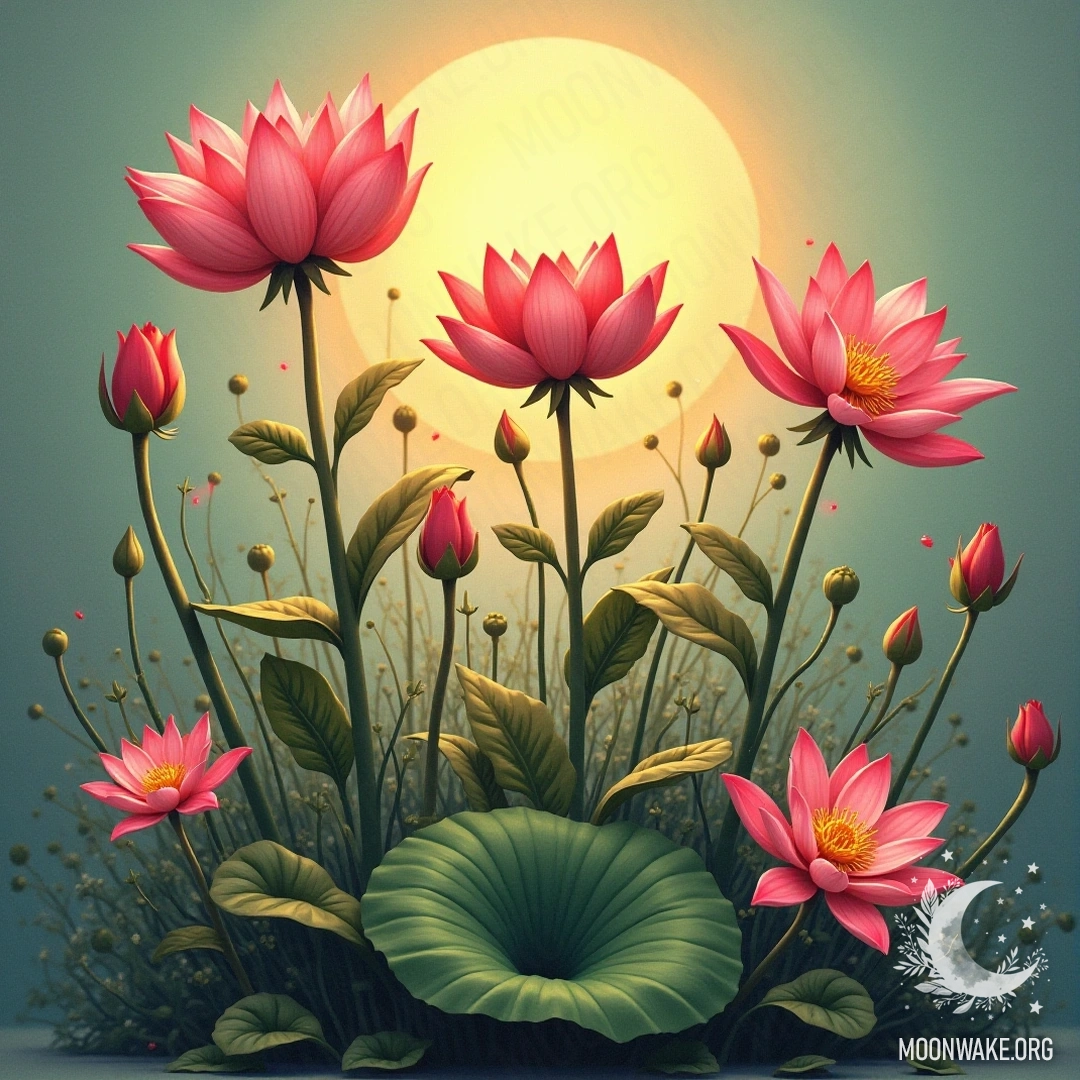
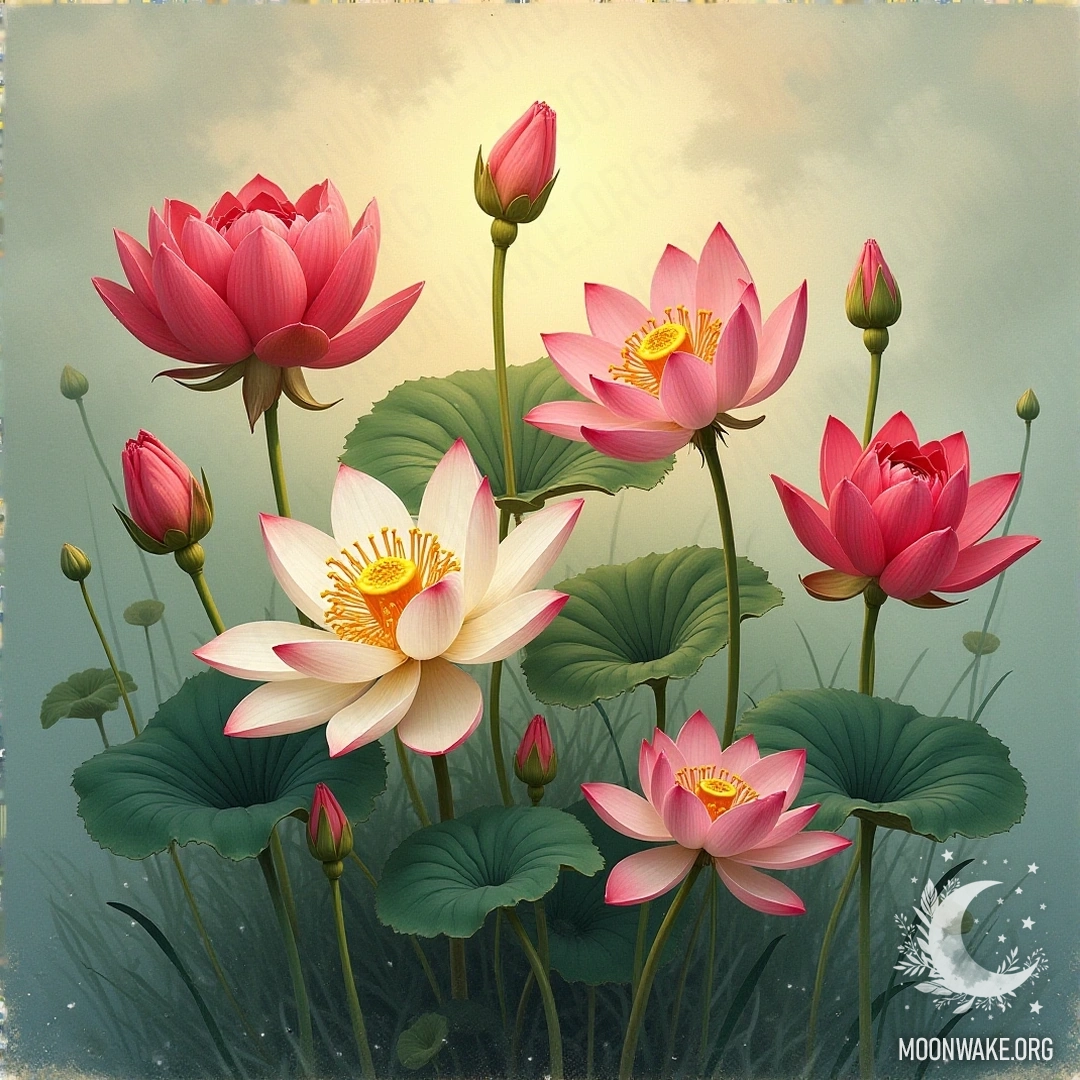
In myths and legends, plants are often attributed with magical properties. In Greek mythology, flowers embodied divine powers: the rose was associated with Venus, and the lotus with Aphrodite. These plants reflect the deep connection between woman and nature and her ability to transform.
Symbolism of Plants and Flowers
| Flower | Symbolic Meaning | Cultural and Feminine Associations |
|---|---|---|
| Rose | Love, passion, mystery | Symbol of Venus, feminine energy, fertility |
| Lotus | Purity, rebirth, spirituality | Buddhism, symbol of feminine spirituality, connection to water |
| Lavender | Calm, peace, harmony | Flower of feminine healing, used in aromatherapy |
| Lily | Purity, innocence, transformation | Associated with Mother Mary, symbol of feminine creation |
| Orchid | Elegance, mystery, perfection | Symbol of feminine beauty and uniqueness |
| Tulip | Beauty, love, spring | Rebirth, symbol of spring, return of life |
Flowers in Myths and Legends
In different cultures, flowers symbolize not only beauty but essential aspects of a woman’s life. In ancient Greek mythology, a rose wreath symbolized love and beauty, linked to Aphrodite. In Slavic traditions, water lilies and lilies were dedicated to goddesses representing fertility and femininity.
In Egypt, the lotus flower symbolized the rising sun and feminine mystery. Like a woman, the lotus opens more each day, revealing new horizons. This flower is often mentioned in allegories and poetry as a symbol of rebirth and renewal.
Symbolism of Flowers in a Woman’s Life
For women, plants and flowers can serve as tools of personal transformation. Choosing a specific flower for home décor or wearing it as jewelry is more than just aesthetic—it’s a symbolic message to oneself. Women may use flowers to work with inner states:
- Rose — a symbol of passion and sensuality. Wearing a rose can boost confidence and attractiveness.
- Lotus — helps in meditation and spiritual awakening.
- Lavender — calms the mind, relieves tension, and creates a space of harmony and love.
- Lily — linked to purity, can be used to cleanse from excessive emotions.
- Orchid — enhances confidence and helps women express their uniqueness and inner beauty.
Flowers in Art and Culture
In art, flowers are powerful symbols. Artists across eras have portrayed flowers with deep symbolic meaning. In “Garden Decoration” by French poet René Char, flowers symbolize not only beauty but also the depth of the feminine soul.
In Renaissance art, the rose was often shown as a symbol of feminine love and adoration, while the lily embodied purity and motherhood. In Gustav Klimt’s works, flowers serve as metaphors for feminine beauty, magic, and spiritual power.
Flowers and Feminine Energy in Rituals
In various feminine practices, such as rituals and meditations, flowers are used as channels to amplify energy and focus attention. Women can use flowers to bring more love, care, and beauty into their lives:
- Love and attraction rituals — often use roses and orchids as symbols of passion.
- Harmony rituals — often use lilies and lavender for cleansing space and inner states.
- Energy renewal rituals — flowers like lotus and tulip assist in the process of self-restoration.
Plants and flowers become conduits of feminine energy, capable of transforming space and a woman's inner world, enhancing her intuition, sensuality, and connection to nature.
Animals as Symbols of Female Power
In myths, legends, and cultural traditions, animals play an important role as symbols of various aspects of feminine power. These creatures, possessing special qualities, become metaphors for important female traits — strength, intuition, motherhood, and protection.
Since ancient times, women have been associated with certain animals that reflect their inner strengths. Animals such as the lioness, cat, doe, owl, or bear embody different qualities that women can use as strength in life. These symbols serve as sources of inspiration for personal transformation and strengthening of inner power.
Table of Animal Symbolism in Different Cultures
| Animal | Symbolic Meaning | Cultural Associations |
|---|---|---|
| Lioness | Strength, courage, protection | In African cultures, symbol of power; in Egypt — divine strength |
| Cat | Independence, intuition, magic | Ancient Egypt, symbol of the goddess Bastet |
| Owl | Wisdom, intuition, nocturnal power | Greece, symbol of Athena, goddess of wisdom |
| Bear | Maternal protection, strength, and endurance | Northern cultures, symbol of protection and overcoming difficulties |
| Doe | Grace, feminine beauty, fertility | Celtic mythology, symbol of the goddess Danu |
Animals in Myths and Legends
In the myths of various peoples, animals often became embodiments of female archetypes. In ancient Greek mythology, the lioness was associated with strength and courage, and the bear — with protection and motherhood. The lioness personified the goddess Artemis, the goddess of hunting and independence. In other cultures, the bear was considered the guardian of the forests and feminine power, symbolizing inner might, endurance, and the ability to protect one's tribe.
In Celtic myths, the doe is an image of feminine grace and sacred power. It not only symbolizes beauty and grace but is also associated with the fertility goddess Danu, who embodies the woman as a bearer of life.
Animals and Feminine Energy
For many women, animals become symbols of personal strength, wisdom, and intuition. For example, if a woman feels lost or vulnerable, she may choose the symbol of the lioness to enhance her confidence and courage. The cat, in turn, helps develop intuition and independence. A woman who identifies with the cat may feel more freedom and flexibility in life.
- Lioness — helps to gain strength and self-confidence. It is a symbol of struggle and protection, especially relevant for women facing difficulties.
- Cat — a symbol of independence and magical power. A woman who feels connected to the cat can use it as an assistant in strengthening her intuition and individuality.
- Owl — helps to uncover hidden knowledge and wisdom. A woman, like the owl, can use her intuition to make wise decisions in life.
- Bear — a symbol of maternal protection. Women who feel connected to the bear can strengthen their instincts to protect their loved ones and support those around them.
- Doe — a symbol of feminine grace and beauty. A woman who identifies with the doe can use its image to enhance her inner harmony and elegance.
Animals in Art and Culture
Animals also occupy an important place in culture and art, becoming not only symbols but also objects of worship. In artworks and literature, for example, the lioness is often depicted as a protector, and the bear as an embodiment of maternal strength. These images inspire women to seek their inner selves, to strengthen their connection with nature and their roots.
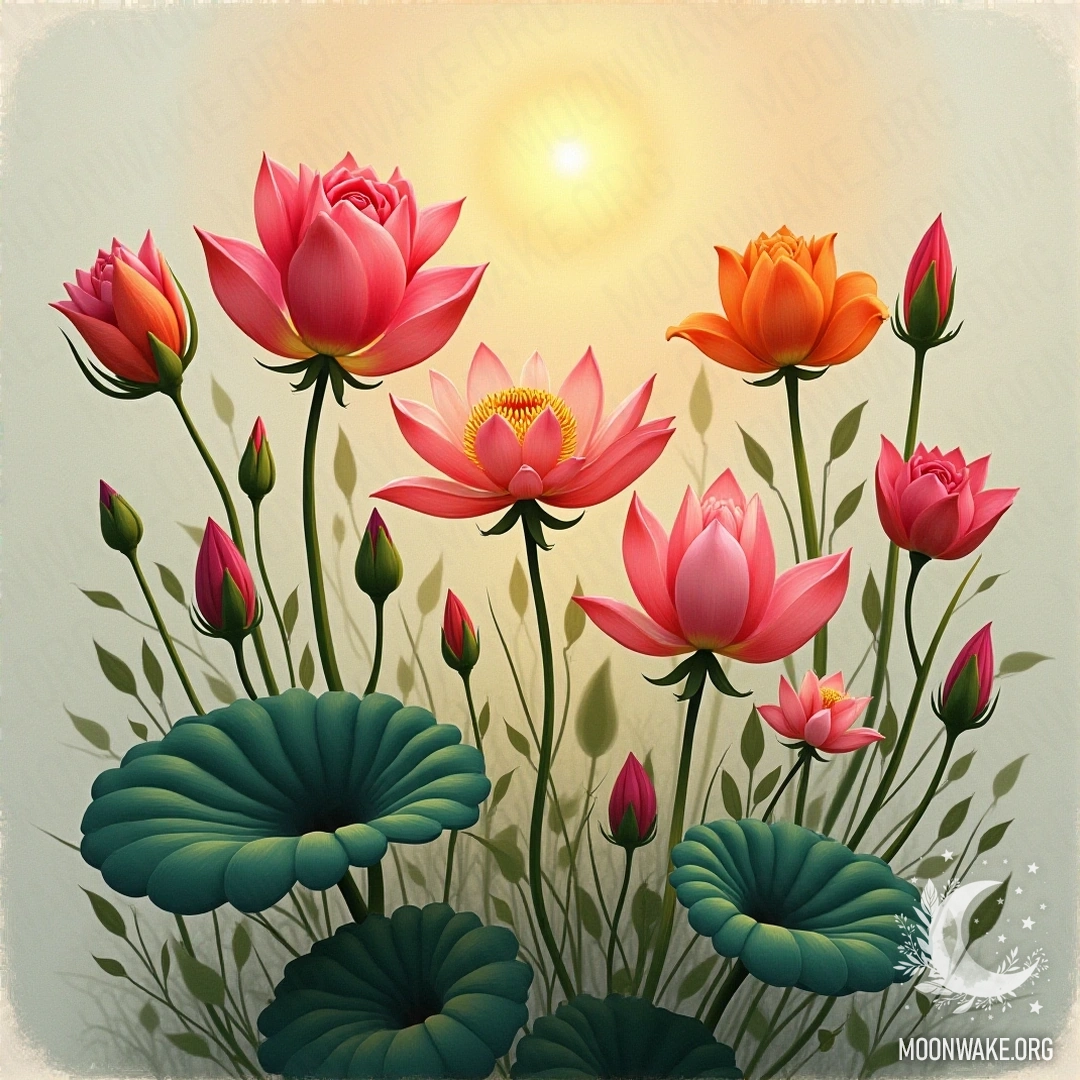
In Ancient Egyptian culture, the cat was a sacred animal associated with the goddess Bastet. This animal was associated with feminine energy, magic, and protection. The image of the cat symbolized female power and independence.
Animals and Feminine Magic
In magic and rituals, animals are often used to enhance feminine energy and to work with inner states. For example, women conducting rituals to attract luck or love may use the symbolism of the owl or lioness to tune into intuition and strength.
- Protection rituals — use the symbol of the bear to create a shield of protection and strengthen inner power.
- Love rituals — may include the symbolism of the cat to enhance attraction and intuition in matters of love.
- Grace and beauty rituals — use the image of the doe to harmonize body and spirit and enhance feminine attractiveness.
Women working with these symbols can strengthen their connection to nature and inner power, drawing maximum benefit from the energy of the animals they have chosen as their guides.
Plants as Symbols of Female Energy and Strength
Plants play an important role in the symbolism of feminine energy, becoming metaphors for various aspects of the female experience: growth, transformation, motherhood, and healing. Since ancient times, plants have been considered sacred and used for rituals, healing, and strengthening the connection with nature.
In every culture, there are plants that embody the power of women. Some are associated with female deities, others with important stages of a woman's life. Through the symbolism of plants, women can better understand themselves and their role in this world.
Table of plant symbolism in various cultures
| Plant | Symbolic Meaning | Cultural Associations |
|---|---|---|
| Rose | Love, beauty, femininity | Ancient Rome, symbol of the goddess Venus |
| Laurel | Glory, victory, immortality | Ancient Greece, symbol of victory and achievements |
| Lavender | Peace, calm, purification | Symbol of purification and harmony in medieval Europe |
| Fern | Magic, mystery, healing | Slavic myths, symbol of transformation and magic |
| Pomegranate | Fertility, rebirth, eternal life | Ancient Persia, symbol of rebirth and fertility |
Plants in myths and religions
In myths and religions, plants are often associated with female deities. For example, the rose was a sacred flower of the goddess Venus in Ancient Rome, and the pomegranate symbolized female fertility in the cultures of Ancient Persia. In Egypt, the lotus was a symbol of divine origin and fertility, associated with the female principle.
Laurel, in turn, was a symbol of immortality and victory, associated with the Greek goddess Artemis of Delphi. The laurel wreath, as an award for victors, was used to honor female champions both in sports and culture.
Plants and feminine energy
Women can use the symbolism of plants to strengthen their inner power and connection with nature. Plants help unlock new opportunities for personal transformation and self-realization. For example, the rose is not only a symbol of love but also a symbol of female beauty and inner strength, while lavender promotes emotional harmony and creates space for creativity.
- Rose — a symbol of love and passion, helps a woman to reveal her femininity and self-love.
- Laurel — ideal for women seeking recognition and achievements in life, giving strength for victories and success.
- Lavender — brings peace, harmony, and purification, helping a woman restore inner balance.
- Fern — helps to reveal magical and intuitive abilities, and contributes to deep inner transformations.
- Pomegranate — symbolizes fertility, renewal, and vital energy, serving as an inspiration source for creating new life.
Plants in rituals and magic
In magical practices, plants play an important role in helping to establish connection with divine forces, cleanse space, or attract luck. For example, lavender is used in cleansing rituals to relieve stress and improve psycho-emotional state, and the pomegranate serves as a symbol of fertility and prosperity.
- Love rituals — use rose to attract love and harmony in relationships.
- Purification rituals — lavender is used to remove negative energy and cleanse space.
- Fertility rituals — pomegranate is often used to enhance the energy of creation and growth.
Through plants, women can work with the deep aspects of their personality, revealing not only their femininity but also their creative, magical power. Plants help create and maintain harmony in life, enhancing inner energy and providing support in difficult moments.
Symbolism of Precious Stones and Minerals
Precious stones and minerals have always played an important role in human life. They have been symbols of strength, protection, and harmony, as well as carriers of energy capable of influencing physical and emotional states. For women, these stones are especially significant because they embody not only wealth and beauty but also strength, wisdom, and connections to divine forces.
Each stone is assigned its own symbolism, passed down through the ages. For women, precious stones become not just jewelry but tools for working with inner states and life processes. Since ancient times, stones have been used in magic, healing practices, and rituals.
Table of Precious Stones Symbolism
| Stone | Symbolic Meaning | Energy |
|---|---|---|
| Ruby | Passion, love, energy | Activates masculine and feminine energy, enhances passion and emotional state |
| Emerald | Wisdom, prosperity, love | Supports emotional harmony, attracts luck and prosperity |
| Sapphire | Wisdom, faith, protection | Helps concentration, enhances intuition, and clears the mind |
| Amethyst | Spiritual development, cleansing, peace | Provides calmness, protects against negativity, and aids meditation |
| Topaz | Cleansing, joy, abundance | Helps restore strength, facilitates decision-making, and strengthens positive thinking |
Precious Stones and Feminine Energy
Each precious stone is attributed with unique properties that can be useful to women at different times in life. For example, ruby helps reveal passion and confidence, while emerald brings harmony to personal relationships and supports life balance. Sapphire symbolizes wisdom and protection, and amethyst promotes spiritual development and cleansing from negative emotions.
- Ruby — ideal for women seeking passion and self-confidence, as well as wanting to awaken their sexuality.
- Emerald — symbolizes prosperity and love, helps restore emotional balance, and attracts luck.
- Sapphire — brings spiritual cleansing, strengthens intuition, and aids concentration.
- Amethyst — helps in coping with emotional difficulties, cleanses the inner world, and brings peace to the heart.
- Topaz — activates positive thinking, promotes cleansing, and helps unlock inner resources to achieve success.
Precious Stones in Rituals and Magic
The use of precious stones in magical practices and rituals is connected with their ability to influence a person’s energy field and the surrounding environment. For example, ruby is used to attract passion and love, and amethyst helps in cleansing and restoring emotional balance. Stones are used as amulets, talismans, and charms that protect women from negative influences and help attract positive changes in their lives.
- Love rituals — ruby helps attract love and passion into life.
- Cleansing rituals — amethyst and topaz are used to cleanse negative emotions and restore inner harmony.
- Protective rituals — sapphire is used for protection against energy attacks and strengthening inner resilience.
Precious Stones in History and Culture
Precious stones have a long history of use in various cultures. In Ancient Egypt, stones played a key role in rituals and jewelry, symbolizing not only wealth but also a connection with the gods. For example, emerald was a symbol of immortality and prosperity, and amethyst was used as an amulet to protect against evil spirits. In India, precious stones hold a special place in traditions where each stone possesses unique power and meaning affecting a woman’s life.
Precious stones have always played an important role in women’s lives, helping them reveal their powers, protect their energy, and attract luck. Stones can be used both physically and metaphorically to work with inner processes, making them a powerful tool for personal growth and self-realization.
Symbolism of Numbers and Geometric Shapes in Women's Culture
Numbers and geometric shapes play an important role in perceiving the world and understanding inner strength, especially in the context of feminine energy. Throughout history, various cultures have attributed special significance to certain numbers and figures, considering them carriers of magical power, symbols of divine or natural phenomena.
Number 3: Symbol of Life and Feminine Power
The number three is one of the most powerful symbols in feminine culture. It embodies three vital aspects of a woman’s life: the maiden, the mother, and the crone. This archetype is central in the psychological analysis of feminine essence, fully reflecting the ancient concept of the triple goddess. The number three is also found in many myths, religious traditions, and folklore. In Christian tradition, it is associated with the Trinity, while in other cultures, it symbolizes the fullness of being and life cycles.
In feminine magic, the number three was often used in rituals, symbolizing completeness and harmony. For example, prayers or wishes repeated three times are considered especially powerful. This number is also connected with the moon, which passes through three phases in its cycle (new moon, full moon, and waning moon), emphasizing its role as a symbol of feminine nature.
Number 7: Wisdom and Mystical Meaning
The number seven is traditionally considered mystical and associated with higher powers. In various cultures, it is regarded as sacred: seven days of the week, seven chakras, seven wonders of the world. For women, this number is associated with mysteries, inner development, and achieving spiritual maturity. In myths of many peoples, seven represents the time needed to reach the fullness of feminine energy, whether through rituals or inner transformation.
The number seven is often used in feminine amulets and magical practices, especially for self-protection and achieving harmony with nature. Folklore frequently mentions seven sisters, seven stars, or seven degrees of initiation, highlighting the depth and diversity of feminine essence.
Geometric Shapes: Circle, Triangle, Square
Geometric shapes also carry their own symbolism. The circle traditionally represents infinity, wholeness, and feminine nature. It is one of the strongest forms symbolizing the endless cycle of life, death, and rebirth, both in nature and in a woman’s life. The circle is also a symbol of the moon and its cycles, as well as the phases women go through during their lives.
The triangle, on the other hand, can symbolize transformation and change. In a feminine context, it is often used to depict the direction of energy, for example, as a pyramid pointing up or down. In myths and esoteric practices, the triangle is frequently used to represent divine femininity and its interaction with masculine energy.
The square symbolizes stability and the material world. For women, the square is often associated with steadiness and the foundation upon which life is built. It is a form that symbolizes structure and security, as well as support and a base for creation.
What Does It All Mean?
Symbols are not only visual images but also powerful tools through which women can interact with the world, themselves, and their inner essence. They carry deep meanings passed down through generations and preserve a piece of knowledge used since ancient times. Each symbol holds its own power, which manifests in a woman’s life, whether through precious stones, geometric shapes, or magical practices.
It is important to remember that symbols are not static elements. They can change their meaning and power depending on the context in which they are used and the person who controls them. A woman using symbols in her life can adjust them to her own needs and goals, enhancing her inner strength and harmony.
Ultimately, symbols help women realize their connection with nature, the surrounding world, and even the mystical and spiritual beginnings, which helps to live more consciously and fully. They serve not only as amulets and decorations but also as reminders of one’s own power, aspirations, and paths to self-realization.
Symbolism studied through numbers, shapes, and materials provides a powerful tool for deep self-knowledge and development. Understanding this symbolism allows a woman to strengthen her inner world and influence the surrounding world through the power of her beliefs and intentions.